Róisín McAleer
International Working Women’s Day didn’t begin with corporate hashtags or panel discussions that we see riddled all over social media leading up to the 8th March every year now. Our struggle for women’s liberation came through organising, and working women simply refusing to accept the crumbs handed out by bosses and politicians.
The version of feminism pushed on society today often feels like it has very little to do with the lives we working-class women actually live.
There’s the corporate feminism that tells women empowerment comes through consumption. Treat yourself. Buy the perfume. Book the spa day. Upgrade your life.
But how exactly do you treat yourself when you’re stretching groceries to the end of the week? When rent, bills and childcare swallow your wages before the month even begins?
For working-class women, liberation isn’t self-care routines. It’s rooted in our material conditions.
It’s homes that aren’t destroying our kids’ lungs with damp and mould.
It’s an end to homelessness and families stuck in hotels and emergency accommodation.
It’s healthcare we can actually access without waiting until we’re half dead because the GP, blood tests, or prescriptions cost too much.
It’s wages that keep boxes of cereal on the table, milk in the fridge, and childcare that doesn’t swallow the guts of your whole pay packet.
Then there’s imperial feminism. The kind that suddenly discovers its passion for “saving women” in the Global South whenever Epsteined governments want to interfere somewhere else. The same voices who lecture our communities about compassion rarely question the political and economic systems that create genocide, war, displacement and migration in the first place.
Working-class women know that script all too well, sadly. We live with the consequences of those decisions in deliberately run down and disappeared public services, housing shortages and waiting lists, and communities stretched to breaking point, while being told we’re ignorant or “far right” for asking basic questions about migrant accommodation and who benefits, and who pays the price.
And then there are the professional activists and NGO workshops that arrive in our estates to educate us about climate, cycle lanes, trees, and the dangers of our own anti-social kids and anti-socisl communities.
Meanwhile our reality is overcrowded homes, rent increases, evictions, homelessness, collapsing healthcare, zero hour contracts, wages that don’t stretch to a weekend away, never mind the child’s million and one afterschool activities and football fees, and our teenagers growing up with fewer opportunities every year.
They have endless energy for policing our language and correcting our tone, but very little for confronting the economic system that produces inequality and poverty in the first place. That’s because liberal feminism is very comfortable with capitalism.
But the origins of International Working Women’s Day were not liberal. They were socialist. The women who fought for it understood something that still holds true. You just can’t liberate women while leaving capitalism and imperialism untouched.
The woman cleaning the office at 5am has more in common with women struggling across the Global South than she does with the girl bosses giving speeches about empowerment from above the glass ceiling.
So today, spare us the corporate slogans and empowerment bullshit branding. Instead, let’s salute the working-class women holding families and communities together in the middle of a violent housing crisis, a collapsing healthcare system, and an economic system that squeezes every last drop of blood from the people who keep society running.
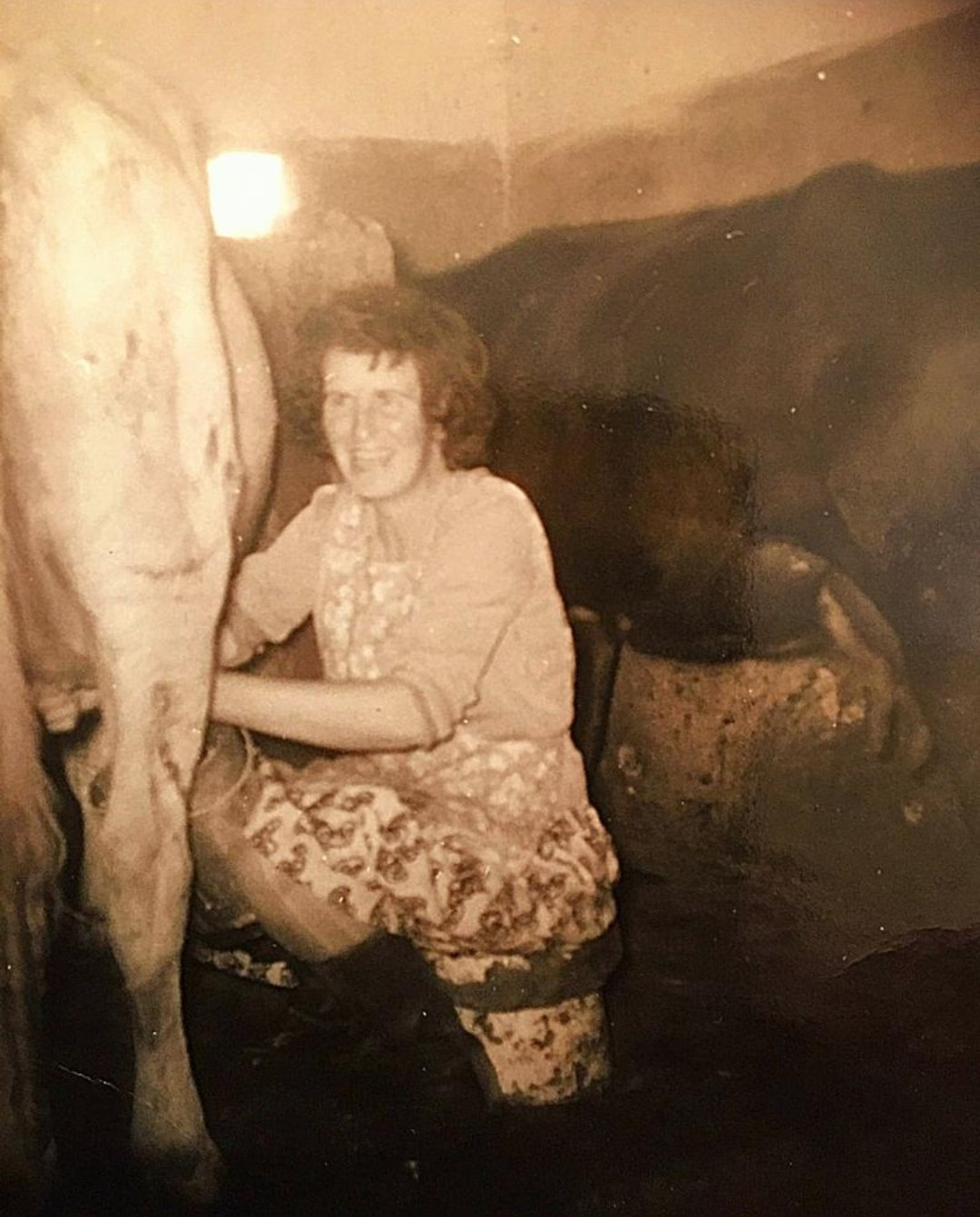
Let us celebrate the women like both my grandmothers, whose instincts for balderdash were razor-sharp. They didn’t analyse it, diagnose it, or debate it. They simply saw through the shite, and would have told the whole shebang to fucking catch themselves on.
Happy International Working Women’s Day to them!