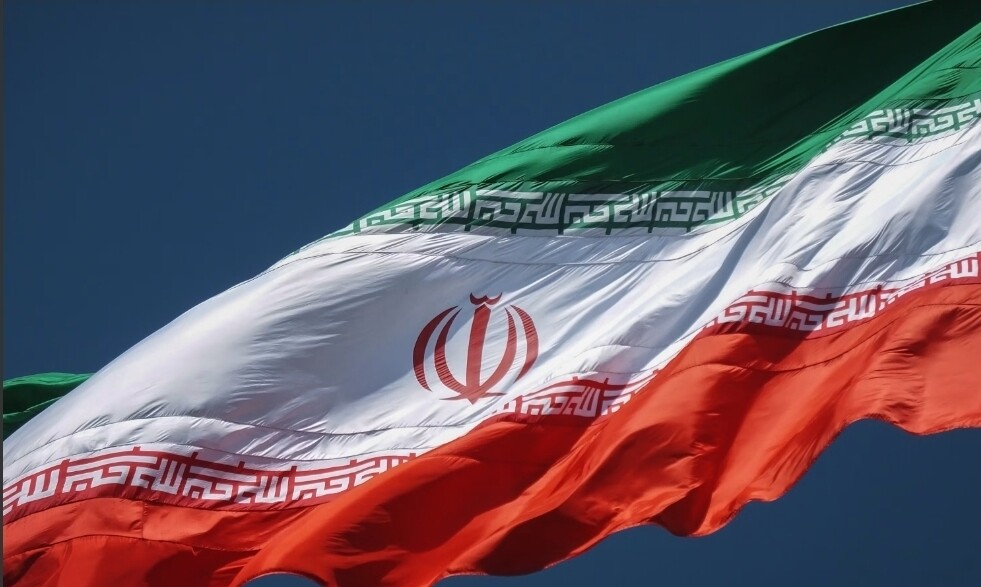
Iran is often portrayed in Western media primarily through the lenses of authoritarianism, nuclear ambitions, human rights abuses, and regional conflict. While these issues are significant, they represent only part of a far more complex political and geopolitical reality. This essay examines the structure of the Islamic Republic of Iran, the foundations of its political system, and the mechanisms through which the ruling clerical establishment maintains power.
It also explores an alternative, anti-imperialist perspective on Iran’s regional role, its foreign policy, its relationship with opposition movements, and the broader geopolitical conflict involving the United States of Israel. The purpose is not to idealise or condemn Iran, but to present a perspective that challenges conventional, popular Western narratives while acknowledging that Iran is a diverse civilization whose future could be strengthened through greater political tolerance and inclusiveness.
The Islamic Republic of Iran is a constitutional theocracy following the Jafari school of jurisprudence. The legitimacy of its political system is based on the Supreme Leader being elected by the Assembly of Experts.
The Supreme Leader is the ultimate decision making authority. He shapes the country’s laws, policies, and overall national direction, while also exercising influence over institutions such as the Assembly of Experts. In practice, his authority is effectively absolute, and he has the final say over virtually every major affair of the state.
He serves as Commander-in-Chief of the armed forces and exercises control over the Guardian Council, state media, key sectors of the economy, foreign policy, and major diplomatic agreements. He also appoints the heads of the judiciary.
The Revolutionary Courts hold broad jurisdiction over cases involving national security and drug-related crimes. They regard virtually all forms of opposition, including reformist movements, as potential existential threats to the state. As a result, Iran has become widely associated with public executions by hanging and the use of intimidation as a tool of political control.
The clerical establishment fundamentally legitimizes its rule through the concept of divine authority, explicitly placing religious legitimacy above the consent of the people.
Despite this, the political system also contains republican elements, including an elected parliament and president. However, every candidate must first be approved by the Guardian Council before standing for election. Consequently, these elected institutions function primarily as mechanisms for limited political participation and for absorbing public dissatisfaction rather than fundamentally challenging the existing system.
The ruling clerics maintain power through a comprehensive system of institutional, physical, and ideological control designed to suppress, manage, and, where possible, eliminate political opposition. This allows the state to preserve political unity and maintain the continuity of the Islamic Republic.
Iran is not the only country that is neither a liberal democracy nor the only country that has the death penalty. Therefore, these characteristics alone do not justify an unprovoked and illegal war of aggression by the United States of Israel whose objective is not to bring democracy, human rights, economic prosperity, or a better life to the Iranian people.
In addition, Iran’s principal opposition movements have destroyed their own credibility by collaborating with Iran’s foreign enemies. This includes the MEK, monarchists, and Komala who have become Zionist tools. They are now aligning themselves with the genocidal Epstein coalition.
Moreover, under the rule of the religious clerics, Iran is the only state that has materially supported the Palestinian resistance, which is consistent with obligations under the UN Genocide Convention. This position strengthened the clerical establishment’s legitimacy and popularity, both within Iran and internationally.
The government has also pursued the development of a sovereign economy capable of sustaining a population of approximately 92 million people while hosting one of the world’s largest refugee populations. At the same time, Iranian diplomacy is genius. It has prevented the United States of Israel from securing Western military alliances. Iran is providing Armenia with security assurances and strengthening economic relations with Türkiye, further isolating Azerbijan. In fact it is quite possible Iran could be the catalyst for a united West Asia.
On 4th March 2026, Iran’s closure of the Strait of Hormuz marked not only a strategic military decision but also the end of the unipolar world order. It is a historic turning point that has fundamentally changed the course of humanity. Now is the time to make peace and move forward.
Iran is a large country and one of the world’s oldest continuous civilizations. It is home to diverse political, ethnic, and religious communities. It has the potential to become even more successful by adopting more tolerant and inclusive policies while preserving its national sovereignty.
No doubt the war will continue but Iran has already won.